
Why Fuel Injection Pumps Matter in Modern Engine Repair
Introduction
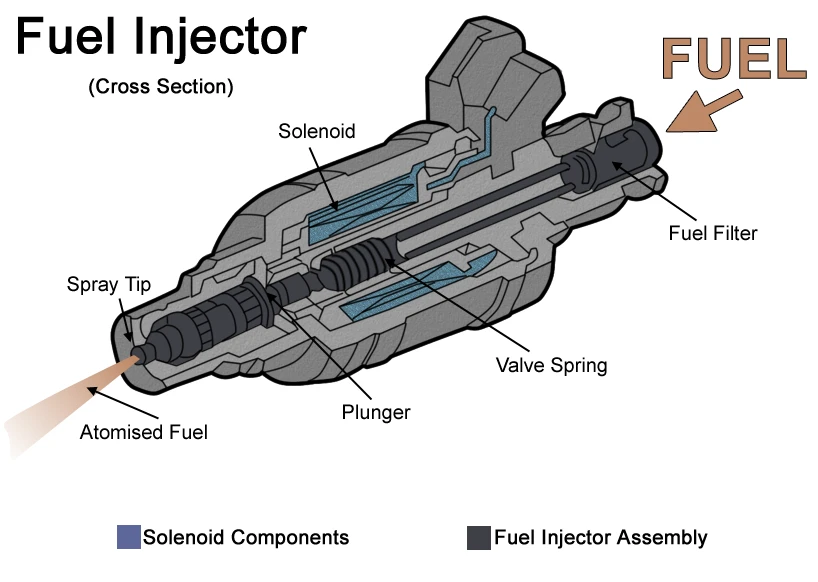
Modern mobility depends on more than polished dashboards, efficient drivetrains, and electronic driver aids. Beneath the surface, the engine still relies on precise mechanical and electronic coordination to deliver power, economy, and reliability. Among the components that quietly shape that performance, the fuel injection pump holds a central position. It controls how fuel moves from storage to combustion, helping the engine receive the right amount of fuel at the right pressure and at the right moment.
When this system works correctly, drivers may never think about it. Starts feel smooth, acceleration feels predictable, fuel use remains stable, and engine noise stays within a familiar range. When it begins to fail, the symptoms can spread through the entire vehicle experience. Hard starting, rough idle, weak acceleration, smoke, misfires, and poor fuel economy can all point toward fuel delivery problems. For repair professionals and vehicle owners, understanding the role of the pump is a practical step toward better diagnostics and smarter maintenance decisions.
Fuel Delivery Is a Precision System
An engine does not simply need fuel. It needs fuel delivered with accuracy. The amount, pressure, timing, and consistency of delivery all influence combustion quality. A small inconsistency can change how smoothly the engine runs, especially in diesel applications where injection pressure and timing are critical to performance. This is why fuel injection components are often discussed alongside engine health, drivability, and long-term repair planning.
A weak or inconsistent pump can make the engine feel tired even when other major components are still in good condition. The vehicle may hesitate under load, struggle on inclines, or require longer cranking before starting. In more serious cases, the engine may stall or fail to start altogether. These issues are not just inconvenient; they can also create added strain on related components as the vehicle attempts to compensate for uneven fuel supply.
How Repair Quality Supports Modern Mobility
Vehicle repair today is no longer limited to replacing a worn part and sending the car back onto the road. Modern mobility depends on reliability, efficiency, and predictable performance in daily use. Drivers expect their vehicles to handle commuting, business travel, family needs, and long-distance movement without repeated downtime. That expectation makes careful diagnosis more valuable than quick guesswork.
A useful overview of modern vehicle service standards highlights how repair excellence supports safer and more dependable transportation. Fuel system work fits naturally into that idea because a vehicle with poor fuel delivery cannot perform consistently, even if the rest of the engine appears mechanically sound. Proper repair requires understanding the relationship between symptoms, engine load, combustion behavior, and component condition.
Where Fuel Injection Pumps Fit in Engine Performance
Fuel injection pumps are especially important because they connect fuel storage with the combustion process. In many diesel engines, the pump must create the pressure needed to send fuel through injectors in a controlled pattern. If pressure drops or timing becomes unreliable, combustion becomes less efficient. That can reduce torque, increase smoke, and make the engine feel uneven during acceleration.
Repair decisions often begin with symptoms, but strong decisions require context. Engine size, displacement, compression, bore, stroke, and output all influence how an engine uses fuel and produces power. For readers who want a broader technical foundation, this guide to understanding engine measurements explains why basic engine specifications matter when evaluating performance and mechanical behavior. Those measurements help show why fuel delivery is not an isolated issue; it is part of a larger performance equation.
Common Warning Signs of Pump Problems
Fuel injection pump issues can appear gradually. A vehicle may first show longer start times, especially after sitting overnight. Later, the driver may notice inconsistent idle, reduced pulling power, or unusual exhaust smoke. In some cases, the engine may run better at certain speeds and poorly at others. These mixed symptoms can lead to confusion because they may resemble injector problems, sensor faults, air leaks, clogged filters, or electrical issues.
That is why proper diagnosis matters. Replacing parts without testing can become expensive, especially in diesel systems where pumps, injectors, and control modules may all influence one another. A careful technician will usually consider fuel pressure, contamination, filter condition, air intrusion, electronic controls, and mechanical timing before recommending repair or replacement. The goal is not only to restore operation, but to prevent the same failure pattern from returning.
Choosing the Right Replacement Path
When a pump needs replacement, the available options may include new, used, or rebuilt units. Each route has a different role. A new pump may offer the strongest confidence for certain applications, while a rebuilt pump can provide a practical balance between performance and cost when sourced properly. Used parts may also be useful in specific repair situations, particularly when availability is limited or when the vehicle is older.
Choosing between these options should not be based on price alone. Compatibility, part condition, supplier reputation, warranty terms, and application accuracy all matter. The wrong pump can create fitment issues, poor performance, or repeat repairs. This is especially true with diesel engine parts, where small differences in pump configuration can affect timing, pressure, and delivery characteristics.
Reliable Pump Sourcing for Diesel Repairs
Repair decisions become much easier when the replacement source is aligned with the needs of diesel engines, fuel systems, and long-term performance. Vehicle owners, shops, and fleet managers often look for parts that support dependable fuel delivery without forcing unnecessary delays or uncertain fitment. In that context, fuel injection pumps are a key category because they directly influence starting, power delivery, efficiency, and combustion quality. Selecting the right pump is not just a parts purchase; it is part of keeping the entire engine system stable and serviceable.
Brand Section: Goldfarb Inc. and Practical Parts Support
Goldfarb Inc. operates in a space where practical repair needs meet specialized diesel parts knowledge. For many shops and equipment owners, the challenge is not simply finding a component, but finding the correct component for a specific engine, application, and repair goal. A supplier with experience in diesel fuel system parts can help reduce uncertainty by organizing options around real-world replacement needs.
This matters because fuel system repairs often happen under pressure. A truck, machine, or work vehicle may be out of service, and every delay can affect schedules and operating costs. Clear part categories, access to new, used, and rebuilt options, and attention to compatibility can make the repair process more manageable. In that environment, the supplier’s role becomes more than transactional. It supports the repair workflow from diagnosis to installation.
Why Maintenance Should Not Wait
Fuel injection pump problems rarely improve on their own. A vehicle that begins with mild hesitation may later develop rough starts, stalling, or heavier smoke. Contaminated fuel, worn internal parts, poor lubrication, clogged filters, and age-related wear can all contribute to pump stress. Ignoring early signs may increase the chance of damage spreading to injectors or other fuel system components.
Preventive care begins with clean fuel, proper filter replacement, attention to leaks, and prompt inspection when symptoms appear. For vehicles that work under heavy loads, maintenance becomes even more important because the fuel system is asked to perform consistently in demanding conditions. A well-maintained system protects engine performance and helps reduce avoidable downtime.
Conclusion
Fuel injection pumps may not be the most visible part of an engine, but their influence is felt every time a vehicle starts, accelerates, carries a load, or settles into a steady idle. They sit at the intersection of fuel delivery, combustion quality, performance, and repair reliability. When the pump is healthy, the engine can operate with confidence. When it fails, the effects ripple across the entire driving experience.
For repair professionals and vehicle owners, the best approach is a mix of accurate diagnosis, informed part selection, and timely maintenance. Whether the solution involves a new, used, or rebuilt replacement, the goal remains the same: restore dependable fuel delivery and protect the engine’s long-term performance. In modern mobility, that kind of precision is not optional. It is the quiet machinery behind reliability.