
Maximizing Your Home Theater Experience: The Importance of Quality Speakers
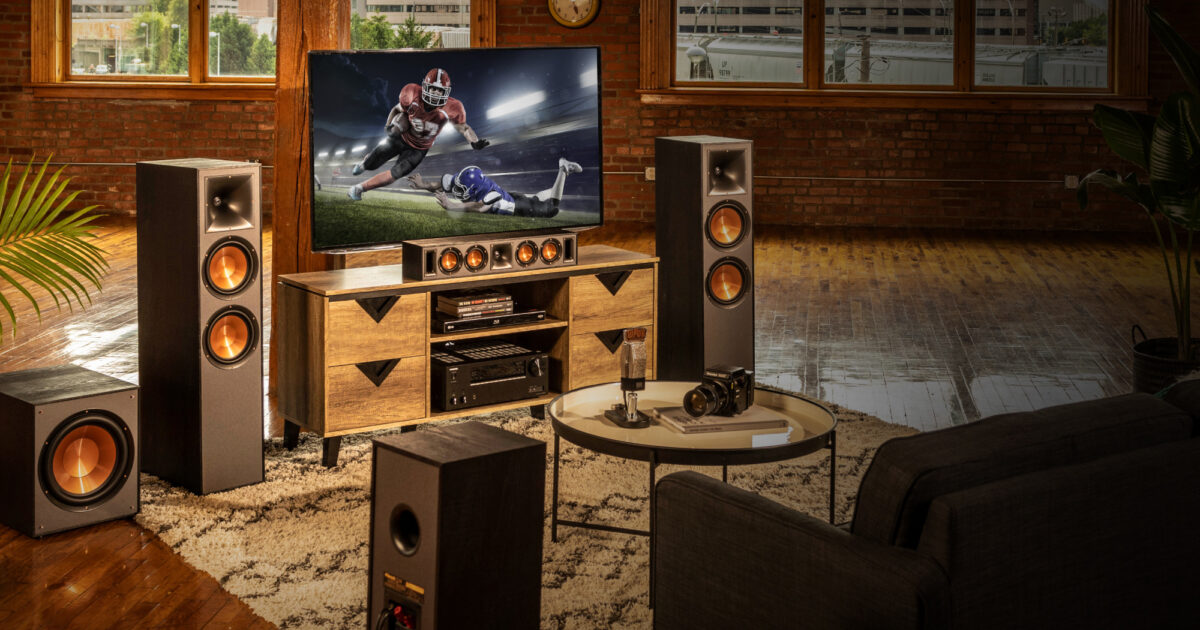
Creating a captivating home theater experience is an aspiration for many movie enthusiasts and audiophiles alike. One of the critical components that can make or break this experience is the audio system, specifically the quality of home theater speakers. While high-definition visuals and advanced video technology often steal the spotlight, it is the sound that truly immerses viewers in the cinematic world. This article explores the significance of quality speakers in enhancing your home theater experience and provides guidance on how to choose the right audio system.
The Role of Sound in Home Theater
Sound is a powerful medium that shapes how we perceive movies, music, and games. It can create tension, evoke emotions, and transport us to different environments. In a home theater, the audio experience must be as compelling as the visual one. This is where home theater speakers come into play.
Quality speakers provide clear, dynamic sound that allows viewers to experience dialogue, sound effects, and music in their full glory. Poor sound quality can lead to muddled dialogue and a lack of immersion, diminishing the overall enjoyment of the viewing experience. Thus, investing in high-quality home theater speakers is essential for anyone serious about their home cinema setup.
Types of Home Theater Speakers
Understanding the different types of home theater speakers available can help you make an informed decision when building your audio system. Here are the main types of speakers to consider:
1. Floor-Standing Speakers
Floor-standing speakers, also known as tower speakers, are designed to deliver powerful sound. Their larger size allows for better bass response and a wider soundstage, making them an excellent choice for larger home theater rooms. These speakers often have multiple drivers that provide a full range of sound frequencies, from deep bass to crisp highs.
2. Bookshelf Speakers
Bookshelf speakers are smaller and more versatile than floor-standing models, making them ideal for smaller spaces. While they may not produce the same bass response as larger speakers, high-quality bookshelf speakers can still deliver impressive audio performance. They are often used in combination with a subwoofer to enhance the low-frequency sounds.
3. Subwoofers
A subwoofer is crucial for delivering deep bass and enhancing the overall audio experience in a home theater. It handles the low-frequency sounds, allowing the main speakers to focus on mid and high frequencies. A good subwoofer can make a significant difference in how explosions, music, and other low-end sounds are experienced, adding depth and excitement to the viewing experience.
4. Surround Sound Speakers
For a true cinematic experience, consider adding surround sound speakers. These speakers create a three-dimensional audio environment by providing sound from multiple directions. A typical surround sound setup includes front left, front right, center, and rear speakers, which work together to create an immersive audio landscape.
Key Features to Consider in Home Theater Speakers
When selecting home theater speakers, certain features can enhance performance and overall experience:
1. Frequency Response
The frequency response of speakers indicates the range of sounds they can reproduce. Look for speakers with a wide frequency response range to ensure you can enjoy every detail in your audio. A lower frequency response (e.g., 20Hz) is essential for bass-heavy sounds, while a higher response (e.g., 20kHz) captures the nuances in high-frequency sounds.
2. Sensitivity
Sensitivity measures how efficiently a speaker converts power into sound. A higher sensitivity rating means the speaker requires less power to produce the same volume level compared to a lower sensitivity speaker. This is especially important in home theater setups where amplifier power can vary.
3. Impedance
Impedance refers to the resistance a speaker provides to the electrical current from an amplifier. Most home theater receivers work well with speakers that have an impedance of 4 to 8 ohms. Matching the impedance of your speakers to your amplifier is crucial to ensure optimal performance and prevent damage.
The Importance of Speaker Placement
Even the best home theater speakers can underperform if not placed correctly. Proper speaker placement can significantly enhance audio performance:
- Front Speakers: Ideally, front left, right, and center speakers should be at ear level when seated. The center speaker should be directly above or below the screen to ensure dialogue aligns with the action on the screen.
- Surround Speakers: Surround speakers should be positioned slightly above ear level and at an angle from the listening position, usually between 90 and 110 degrees from the center.
- Subwoofer Placement: The placement of the subwoofer can impact bass response significantly. Experiment with different locations to find the spot that delivers the best low-frequency performance.
Conclusion
Maximizing your home theater experience hinges on the quality of your speakers. Home theater speakers play a pivotal role in creating an immersive audio environment that complements stunning visuals. By understanding the different types of speakers, key features to look for, and the importance of proper placement, you can significantly enhance your home cinema setup. Investing in quality speakers will not only improve your viewing experience but also bring your favorite movies, music, and games to life in a way that is truly unforgettable.