
How Electric Vehicles Are Shaping a Greener Future
How Electric Vehicles Are Shaping a Greener Future electric vehicles (EVs) have become a symbol of change, innovation, and sustainability. With the rising concerns about climate change, the shift towards electric mobility is gaining momentum as one of the most effective solutions to reducing our carbon footprint. As we look to the future, the environmental impact of electric vehicles is proving to be a game-changer, offering transformative potential for the automotive industry, the environment, and society as a whole. By embracing cleaner technology, EVs not only reduce greenhouse gas emissions but also help shift our dependence from fossil fuels to renewable energy.
In this article, we will explore how electric vehicles are reshaping the future of transportation, focusing on their profound positive effects on the environment, their contribution to sustainability, and the technological advancements that are making them more accessible, affordable, and efficient.
The Growing Need for Cleaner Alternatives
As the global population continues to grow, so does the demand for energy and transportation. Traditional internal combustion engine (ICE) vehicles, which rely heavily on gasoline and diesel, are among the largest contributors to air pollution and carbon emissions worldwide. The environmental impact of electric vehicles addresses this critical need for a cleaner and more sustainable form of transportation.
The automotive industry is responsible for a significant portion of global carbon emissions. According to the International Energy Agency (IEA), transportation accounts for roughly 23% of global CO2 emissions, with road vehicles contributing the largest share. As climate change accelerates, the need to transition to alternative energy sources and reduce emissions becomes increasingly urgent.
Electric vehicles offer a solution to this issue. They are powered by electricity rather than gasoline or diesel, and when charged using renewable energy sources such as solar or wind, they can operate with zero emissions. This transition is pivotal in reducing the environmental impact of electric vehicles and mitigating the adverse effects of fossil fuels on the planet.
The Environmental Benefits of Electric Vehicles
1. Reduction in Greenhouse Gas Emissions
One of the most significant advantages of electric vehicles is their ability to reduce greenhouse gas emissions. Unlike traditional vehicles, which emit carbon dioxide (CO2) from their exhaust systems, EVs produce zero tailpipe emissions. This means that driving an EV contributes directly to lowering the levels of CO2 in the atmosphere, one of the primary culprits behind global warming.
While it’s true that the production of electricity itself may involve emissions depending on the energy mix used, the emissions associated with EVs are still far lower compared to those from gasoline-powered vehicles. For instance, in regions where electricity is generated from renewable sources like wind, solar, or hydroelectric power, the carbon footprint of EVs can be virtually nonexistent. Even in areas where coal or natural gas are the dominant energy sources, studies show that EVs are still cleaner than their gas counterparts over the lifetime of the vehicle.
2. Decreased Air Pollution
Another key benefit of EVs is their contribution to reducing air pollution, particularly in urban environments. Traditional vehicles release pollutants such as nitrogen oxides (NOx) and particulate matter, which significantly contribute to poor air quality and respiratory problems in cities. These pollutants have been linked to a variety of health issues, including asthma, lung cancer, and heart disease.
EVs, on the other hand, produce no direct emissions, making them a crucial tool in improving air quality in densely populated areas. By reducing the number of fossil fuel-powered vehicles on the road, cities can experience cleaner air, which directly benefits the health of their residents. This reduction in pollution can also help mitigate environmental issues such as smog, acid rain, and damage to ecosystems.
3. Energy Efficiency and Reduced Dependence on Fossil Fuels
Electric vehicles are far more energy-efficient than traditional gasoline-powered cars. The average electric vehicle converts more than 85-90% of the electrical energy from the battery to power the wheels, while a gasoline engine only converts about 20% of the energy from fuel into usable power. This efficiency means that EVs require less energy to travel the same distance, helping to reduce overall energy consumption.
Moreover, electric vehicles significantly reduce our dependence on fossil fuels. Traditional vehicles rely heavily on oil, a finite resource that contributes to environmental degradation through extraction, transportation, and refining processes. As EVs become more widespread, the demand for oil decreases, and the world can shift toward renewable energy sources like wind, solar, and hydroelectric power. This change will not only help reduce emissions but will also make the energy sector more sustainable in the long run.
4. Promoting Renewable Energy Integration
The integration of electric vehicles into the transportation system can support the transition to renewable energy by enabling more efficient use of excess energy from renewable sources. During periods of high renewable energy generation, such as on sunny or windy days, EVs can be charged with surplus energy. Conversely, when energy demand is high, EVs can act as a form of energy storage, feeding electricity back into the grid through vehicle-to-grid (V2G) technology.
This synergy between EVs and renewable energy sources offers a powerful way to balance supply and demand, ensuring that the grid remains stable while maximizing the use of clean energy. The growing adoption of electric vehicles can help smooth out the intermittent nature of renewable energy generation, supporting the broader goal of a fully decarbonized grid.
Technological Innovations Driving the Green Shift
Electric vehicles have come a long way in terms of technological advancements, and the continuous evolution of EV technology is key to their growing popularity. Several innovations are making EVs more efficient, affordable, and accessible than ever before.
1. Advancements in Battery Technology
One of the most significant barriers to widespread EV adoption has been the cost and performance of batteries. However, rapid advancements in battery technology are addressing these challenges. The development of lighter, more efficient, and longer-lasting batteries is making electric vehicles more affordable and practical for consumers.
Lithium-ion batteries, which are currently the most common type used in electric vehicles, have seen remarkable improvements in energy density, charging speed, and lifespan. Emerging battery technologies, such as solid-state batteries, promise even greater efficiency, with the potential for faster charging times, longer ranges, and increased safety. These advancements are crucial in reducing the environmental impact of electric vehicles by making them more competitive with traditional gas-powered cars in terms of cost and performance.
2. Autonomous Driving and Efficiency
In addition to battery improvements, the rise of autonomous driving technology is poised to further reduce the environmental impact of electric vehicles. Self-driving cars equipped with artificial intelligence can optimize driving patterns, reducing energy consumption and emissions. Autonomous vehicles can drive more efficiently, avoiding unnecessary acceleration, braking, and idling, which can reduce the overall energy consumption of the vehicle.
Moreover, autonomous vehicles can be integrated into shared transportation models, reducing the number of vehicles on the road and alleviating traffic congestion. By increasing vehicle utilization rates and reducing the need for parking spaces, shared EVs can contribute to more sustainable urban transportation systems.
3. Green Manufacturing Practices
Another crucial aspect of the environmental impact of electric vehicles is the sustainability of their manufacturing processes. Traditional vehicle manufacturing involves significant emissions and resource extraction, particularly in the production of steel, aluminum, and other materials. However, electric vehicle manufacturers are increasingly adopting green practices in their production processes.
For instance, companies are working to reduce the carbon footprint of their supply chains by sourcing materials sustainably, using renewable energy in manufacturing facilities, and improving recycling programs for EV batteries. Additionally, EV manufacturers are exploring ways to extend the lifespan of batteries and repurpose them for other uses, such as energy storage, once they no longer meet the demands of automotive applications.
4. Eco-Friendly Charging Infrastructure
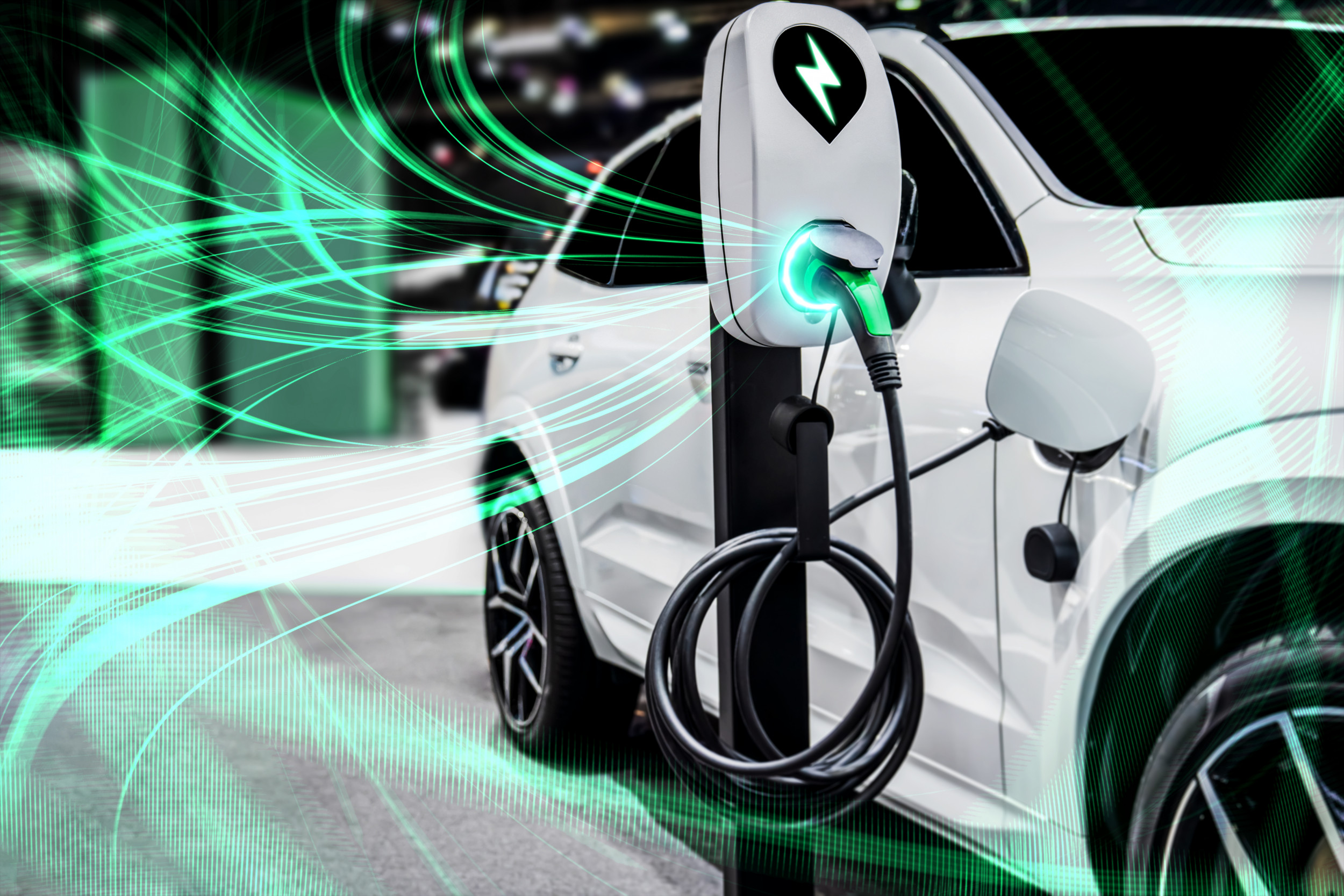
The development of sustainable charging infrastructure is another key component of reducing the environmental impact of electric vehicles. As more EVs hit the roads, the need for charging stations has grown exponentially. To keep pace with this demand, companies are installing fast-charging networks powered by renewable energy sources. Solar-powered charging stations, for example, can help minimize the environmental footprint of charging electric vehicles while promoting the use of clean energy.
In addition, advancements in smart charging technologies allow vehicles to charge during off-peak hours, optimizing energy usage and reducing strain on the grid. These innovations will help integrate electric vehicles into a broader energy system that prioritizes sustainability and efficiency.
The Future of Electric Vehicles: A Greener World
Looking ahead, the role of electric vehicles in creating a greener, more sustainable future cannot be overstated. As technology continues to improve, the environmental impact of electric vehicles will only become more pronounced. Governments, industries, and consumers alike are coming together to accelerate the adoption of electric vehicles, and the results are promising.
From reduced greenhouse gas emissions and improved air quality to advancements in battery technology and smart charging systems, EVs are helping to drive the transition to a cleaner, greener future. As the world moves toward electrification, the adoption of electric vehicles will not only change the automotive landscape but will also contribute to a broader transformation in how we produce and consume energy.
In the coming years, we can expect even more innovation in electric vehicle technology, which will further reduce the environmental impact of electric vehicles and make them a more attractive option for consumers worldwide. Whether through advancements in battery technology, renewable energy integration, or eco-friendly manufacturing practices, electric vehicles are paving the way for a future that is cleaner, more sustainable, and environmentally responsible. The journey toward a greener world has already begun — and electric vehicles are leading the charge.